
Effective Communication Techniques for Dietitians: The Key to Establishing a Healthy Relationship with Clients
Nutrition is not just about calorie counting; it is also a process of behavior change. If you want to touch the lives of your clients as a dietitian, scientific knowledge alone is not enough. Effective communication techniques are among the fundamental skills that make you a good specialist.
In this article, we will discuss the most effective communication techniques for dietitians and show you how to establish professional communication to increase client engagement. Additionally, you will discover how to reduce your workload with a tool that facilitates this process digitally, Leap.
1. The Importance of Communication in Dietetics
Good communication skills are essential to build a trust-based relationship with clients. Because your clients:
Share sensitive information regarding health issues.
Need motivation to change their eating habits.
May experience setbacks during the process.
Communication here means not only transferring information but also establishing empathy, active listening, and using motivational language.
2. Essential Communication Techniques for Dietitians
a) Active Listening
It is crucial not to interrupt the client while they are speaking, to maintain eye contact, and to try to understand what they are saying. Instead of simply saying "I understand," you can use phrases like:
"Can you tell me a bit more so I can better understand how you feel about this?"
b) Ask Open-Ended Questions
Instead of questions that only receive yes/no answers, you should ask questions that encourage the client to talk:
"How do your meal times usually go?"
"What are the moments you struggle with the most?"
c) Use Non-Judgmental Language
❌ "Why do you eat so much junk food?"
✅ "What usually happens during the times you crave sweets?"
When the client feels judged, they become defensive. In an environment where they feel safe, they are more likely to share.
d) Motivational Feedback
Positive feedback encourages behavior change. It is important to highlight even small progress:
"Focusing on breakfast this week has been a great start. I really appreciate this consistency."
3. Ways to Strengthen Communication in the Online Diet Process
Nowadays, a large portion of diet services is conducted through online counseling. This situation requires effective use of communication skills in the digital environment.
- Clear and Concise Written Communication
Misunderstandings can frequently occur in communication conducted via messaging. Therefore, using clear and brief expressions is important.
- Use of Visual Aids
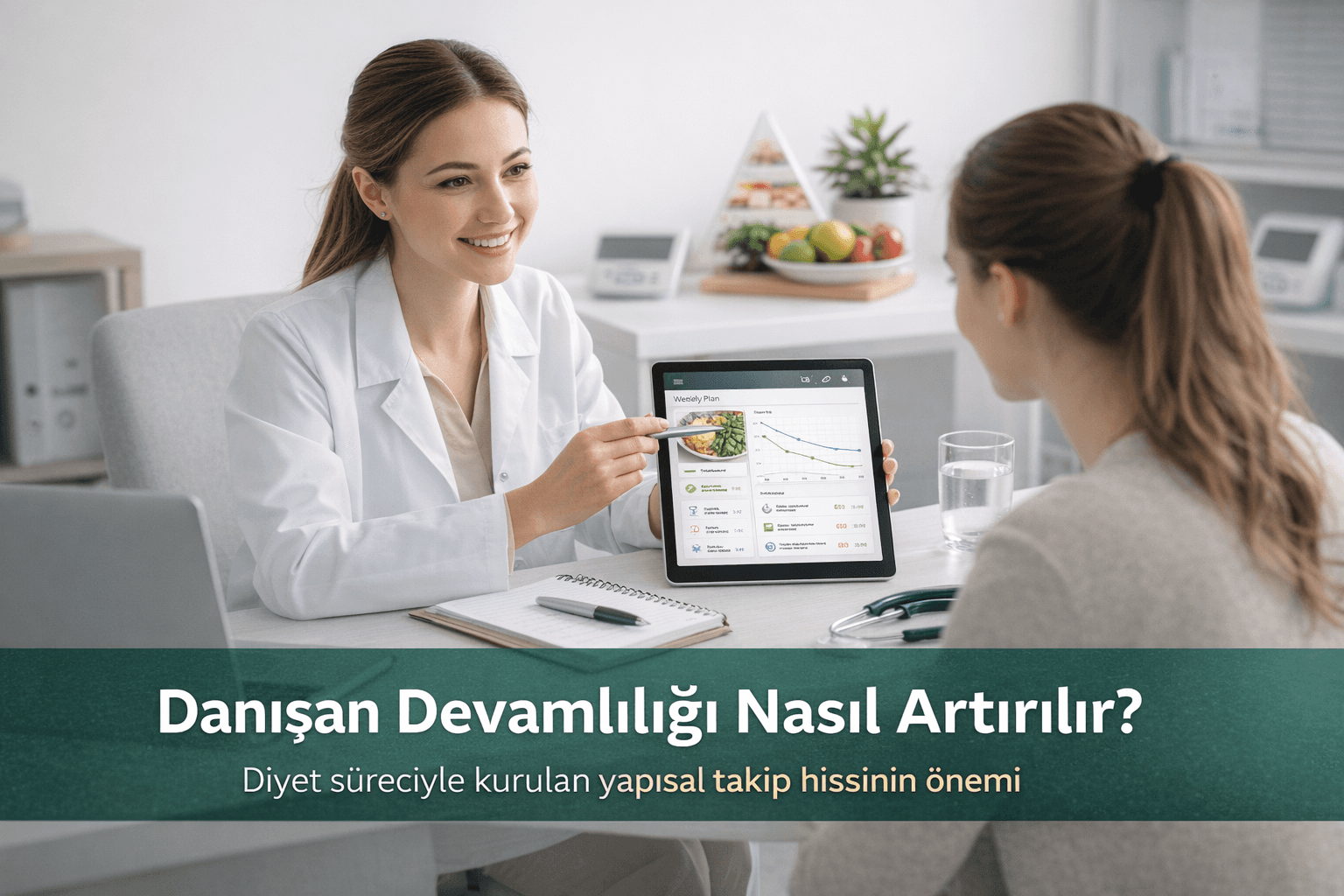
Graphics, visuals, or short videos supporting lists make the process more understandable and motivating.
- Regular Follow-Ups and Reminders
Your clients should not forget the process. Weekly reminders and small motivational messages can create a big difference.
💡 This is where Leap comes into play.
4. Increase Engagement with Leap: Your Digital Assistant
Leap is a communication and tracking platform developed for dietitians. It helps you make your client relationships more professional, efficient, and sustainable.
📌 What Does Leap Provide?
Automatic reminders: Appointment and list notifications
Client profile creation: Keeping records of past discussions
Advanced inbox: Quick reply templates, notes, and plans
Analysis tools: Monitoring progress in client behaviors
In this way, you can save time and provide a personalized communication experience for each of your clients.
👉 To get more information about Leap and to try it for free, click here .
5. Manage Communication with Difficult Clients
Not every client may have high motivation. The following techniques can be helpful in challenging cases:
Empathic approach: Try to understand what lies at the root of the problem.
Motivational interviewing technique: A special dialogue process aimed at bringing out the desire for change from within the client.
Progressing with small goals: A step-by-step model instead of large change goals.
6. Continuous Education and Feedback for Professional Development
Communication skills are developable abilities. To improve yourself in this area:
Take courses on communication.
Receive supervision or mentoring support.
Regularly collect feedback from clients.
The satisfaction surveys and client comments that come with Leap will provide great support in this process.
Conclusion: The Key to Success in Dietetics is Effective Communication
Being a good dietitian relies on knowledge, experience, and correct communication. The stronger the bond you establish with your clients, the more successful the behavior change process will be.
Remember:
"It is not the person you communicate with that is remembered, but how you established a connection."
You can facilitate your work and increase client satisfaction by using Leap to establish strong communication both face-to-face and digitally.